

A south-easter can undo an hour at the basin in about the time it takes to walk from the salon door to your car. If you’ve left Hermanus with a perfect blow-dry only to arrive at the Old Harbour looking windswept, the problem usually isn’t the blow-dry itself, it’s the style. Some hairstyles are built to move with a Hermanus wind. Others fall apart the moment the Cape wind picks up. Here are five that hold, and the technique behind each one.
Key Takeaways
• A blow-dry survives Hermanus wind based on three things: how much hold it has, how much structure sits at the root, and whether the ends are fastened or left loose.
• Styles that gather and secure the hair (a low ponytail, a braid, a bun) consistently outlast styles that rely on loose strands holding their shape.
• Root-lift, cool-shot blow-drying gives volume that doesn’t collapse the way end-focused curling does once wind gets into it.
• A light hold product near the hairline and a cool shot at the end of drying make almost any style last longer, wind or not.
• No style is fully wind-proof in a strong south-easter. The low bun and chignon come closest; a soft, loose blowout comes last.
Why Hermanus Wind Wrecks a Blow-Dry (and What Actually Holds)
Hermanus sits directly in the path of the south-easter, the same wind system Capetonians know as the Cape Doctor. It targets one thing above all: loose hair with nowhere to go. A soft, face-framing blowout looks lovely for a photo and lasts about as long as it takes to get in the car.
What the South-Easter Does to Loose, Flyaway Styles
Wind lifts hair from underneath, at the root, before it works on the ends. A style that relies on loose volume with nothing holding the base in place is the first to go. The shape gets pushed sideways instead of staying where the round brush put it. Add salt air and humidity off the water, and fine hair loses its set even faster, because moisture in the air relaxes the bonds a blow-dry depends on.
The Three Things That Make a Blow-Dry Wind Resistant
A hairstyle survives a Hermanus wind day for three reasons. It has real hold from the right products, it has structure built in at the root rather than just at the ends, and it’s fastened somewhere. Whether that’s a low ponytail, a plait, or a few well-placed bobby pins. Every style below leans on at least two of these three.
1. The Sleek Low Ponytail
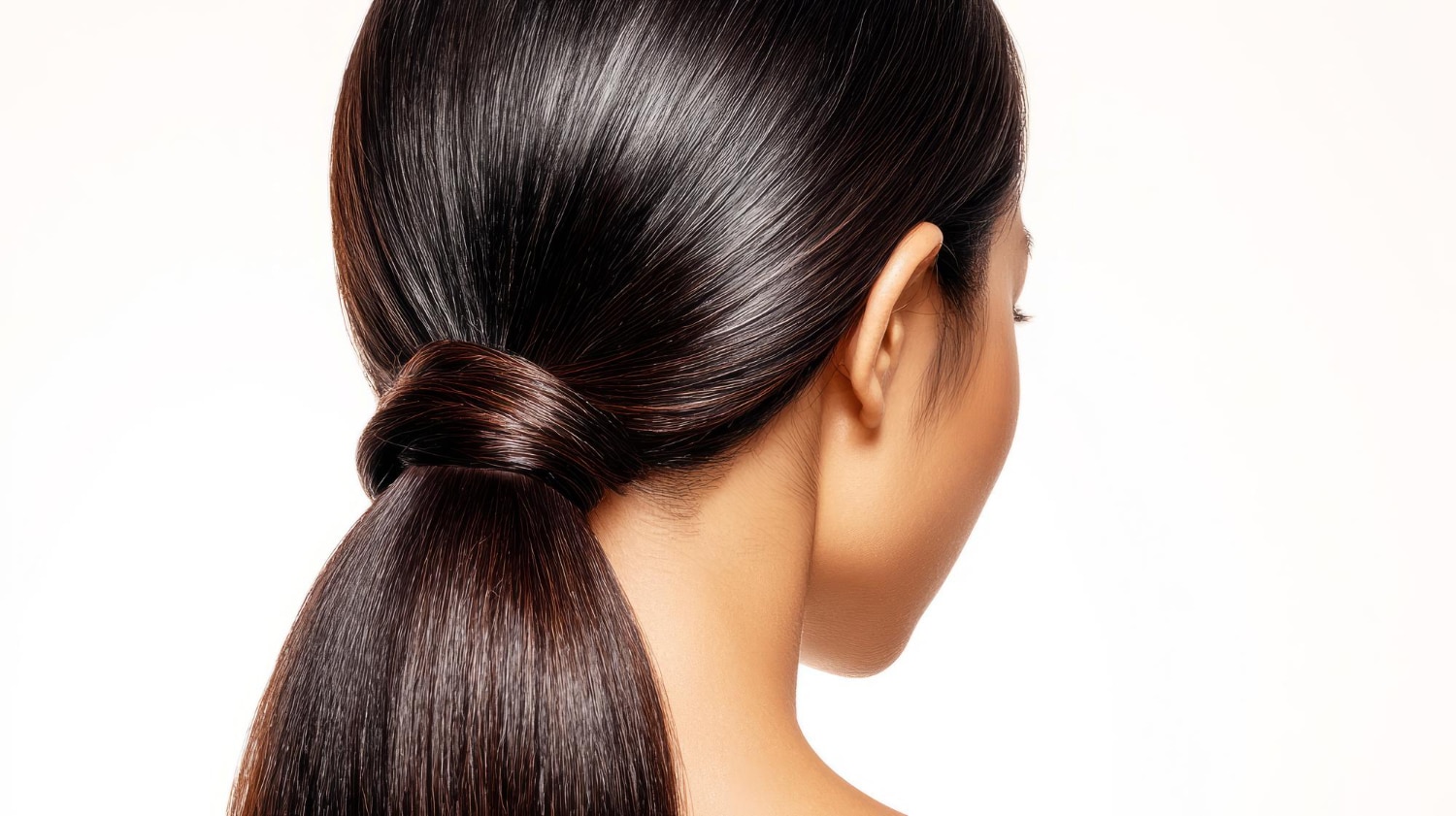
The low ponytail is the most reliable style for a genuinely windy day, and it’s the one we reach for most often before a client heads out to a beach wedding or a windy lunch on Marine Drive. Blow-dry the hair smooth with a root lift at the crown, then gather it low at the nape rather than high, where wind has more leverage to pull it loose.
Why It Survives the Wind: Everything Is Gathered and Fastened Low
A high ponytail acts like a sail. Sitting low and close to the head leaves far less surface area for the wind to catch. Smooth the front section back with a touch of finishing product before securing it. And for a neater finish, work in a deep side part rather than a centre one. It keeps loose strands from lifting at the hairline.
2. The Textured Braid
A braid is one of the few styles that looks better after a few hours outdoors rather than worse. Because the hair is interlocked rather than loose, it doesn’t unravel the way a straight blowout does.
Loose Braid vs Tight Braid for Wind
A loose, undone plait looks effortless but gives the wind small sections to grab and pull apart strand by strand. A tighter braid, French or Dutch, holds its shape for hours and is the better choice if you’re walking the cliff path or spending the day outdoors. Either way, work a texture spray through first so the braid has something to grip rather than sliding loose.

3. The Root-Lift Blowout
Volume at the root, rather than at the ends, is what actually reads as “done” hair after a windy walk. This is a proper blowout technique, worth booking an appointment for if you’ve got an event to get to.
Round Brush Technique for Lasting Volume
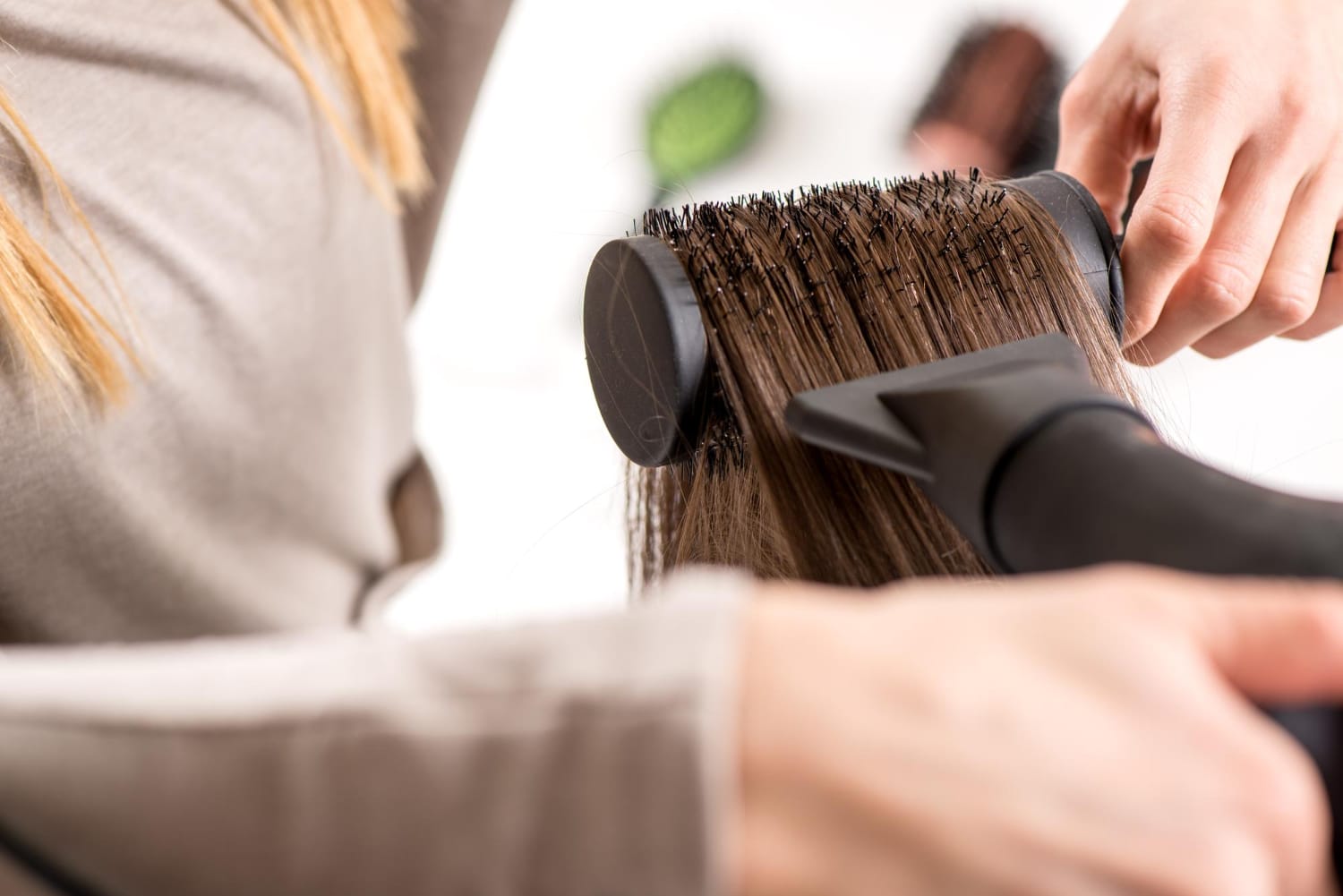
Your stylist works section by section, lifting each root with a round brush and directing heat downward from root to end. A cool shot right at the finish sets the lift in place before any product goes on, which is what gives this blowout its shine and its long-lasting hold.
Why Volume at the Root Survives Wind Better Than Volume at the Ends
Wind pushes hair up and around, and it does that from the base first. If the root is already lifted and set, there’s nothing new for the wind to do, the shape simply holds. Volume added only at the ends collapses the moment it meets resistance, because there’s no structure underneath it.
4. Soft Waves with a Strong-Hold Finish
Soft, coastal waves work well if you don’t want anything too structured. They’re forgiving of a bit of movement rather than fighting against it. The trick is finishing with a strong-hold spray instead of a light one, since a wave needs more grip than sleek, straight hair does.
Build a loose curl pattern through the mid-lengths with a round brush, pin each section while it cools, then work through texture spray for grip before finishing with hairspray at the root and crown. Styled this way, waves read as intentional even after the sea air has had its way with them for an afternoon.

5. The Low Bun or Chignon
For a genuinely long-lasting updo on a properly windy day, a low bun or chignon is close to unbeatable. Every strand is smoothed, twisted, and pinned close to the head, leaving the wind almost nothing to work with.
Blow-dry the hair smooth first, twist it into a low knot at the nape, and secure with bobby pins until it can’t shift. A chignon is the neater, more polished version of the updo. Wound flat against the head, while a looser low bun gives a softer finish. Either works well under a headscarf or hat too, which is often the real test of a Hermanus wind day.

How to Make Any Blow-Dry Last Longer in the Wind
The style matters, but the products and technique behind it matter just as much. A few adjustments to a normal wash and blow-dry make a real difference once you’re outside.
Products Worth Using
• Texture spray: gives braids, buns, and ponytails something to grip so they don’t slip loose.
• Strong-hold hairspray: applied at the root and crown, where wind hits first, rather than all over.
• A lightweight finishing product: smooths frizz caused by salt air and humidity without weighing the style down.
• Dry shampoo at the root: extends a blow-dry between washes and helps the volume hold a day or two longer.
What Your Stylist Can Do Differently for Windy-Day Styling
Tell your stylist upfront if the style needs to survive a windy afternoon, not just look good walking out the door. We’ll choose a lower, more fastened finish over a loose one. Use a stronger hold product than we might otherwise. And add extra root lift or a deep side part built to last rather than one that only photographs well for five minutes. For the full range of cuts, colour, and styling options available before you head out, see our Hermanus salon services.
Frequently Asked Questions
How Do I Make My Blow-Dry Last Longer in Windy Weather?
Ask for a lower, more structured style rather than loose volume, such as a low ponytail, braid, or bun, and finish with a strong-hold hairspray focused at the root. Root lift built in at the salon, rather than added at home, also holds up far better once the wind starts.
What Is the Best Hairstyle for a Windy Day in Hermanus?
A low bun or chignon is the most reliable choice for a proper Hermanus wind day, since it gathers the hair close to the head and fastens it in one place. A low ponytail or tight braid comes a close second and holds up well on the cliff paths and along the beachfront.
How Often Should I Get a Wash and Blow-Dry?
Most clients book a wash and blow-dry every one to two weeks to keep the cut fresh and the style manageable between visits, though it’s just as common to book one ahead of a specific event or windy day out. If you’re also due for a trim, pairing it with a cut and blow-dry keeps both on the same schedule.
Will a Blow-Dry Survive Hermanus’s Salt Air and Humidity, Not Just Wind?
Salt air and humidity are often a bigger threat to hold than wind alone, since moisture in the air relaxes the bonds a blow-dry relies on. A good finishing product helps, and if your hair tends to frizz near the water, an occasional nourishing hair treatment keeps it in better condition to hold a style in the first place.
If you’ve got a windy day on the calendar, a beach walk, lunch on Marine Drive, or an evening event, booking a wash and blow-dry beforehand is a small favour to your future self. Tell your stylist what the day involves, and we’ll build the finish to match it.

Related posts

5 Blow-Dry Styles That Last Through a Hermanus Wind Day


Toner 101: Why Every Highlights Service at Rivon Studio Includes It
Balayage vs Full Head Colour: Which Suits Your Hair Type Best

How Much Does Hair Colouring Cost in Hermanus? 2026 Price Guide

How Often Should Men Get a Haircut? A Hermanus Hairdresser’s Guide