
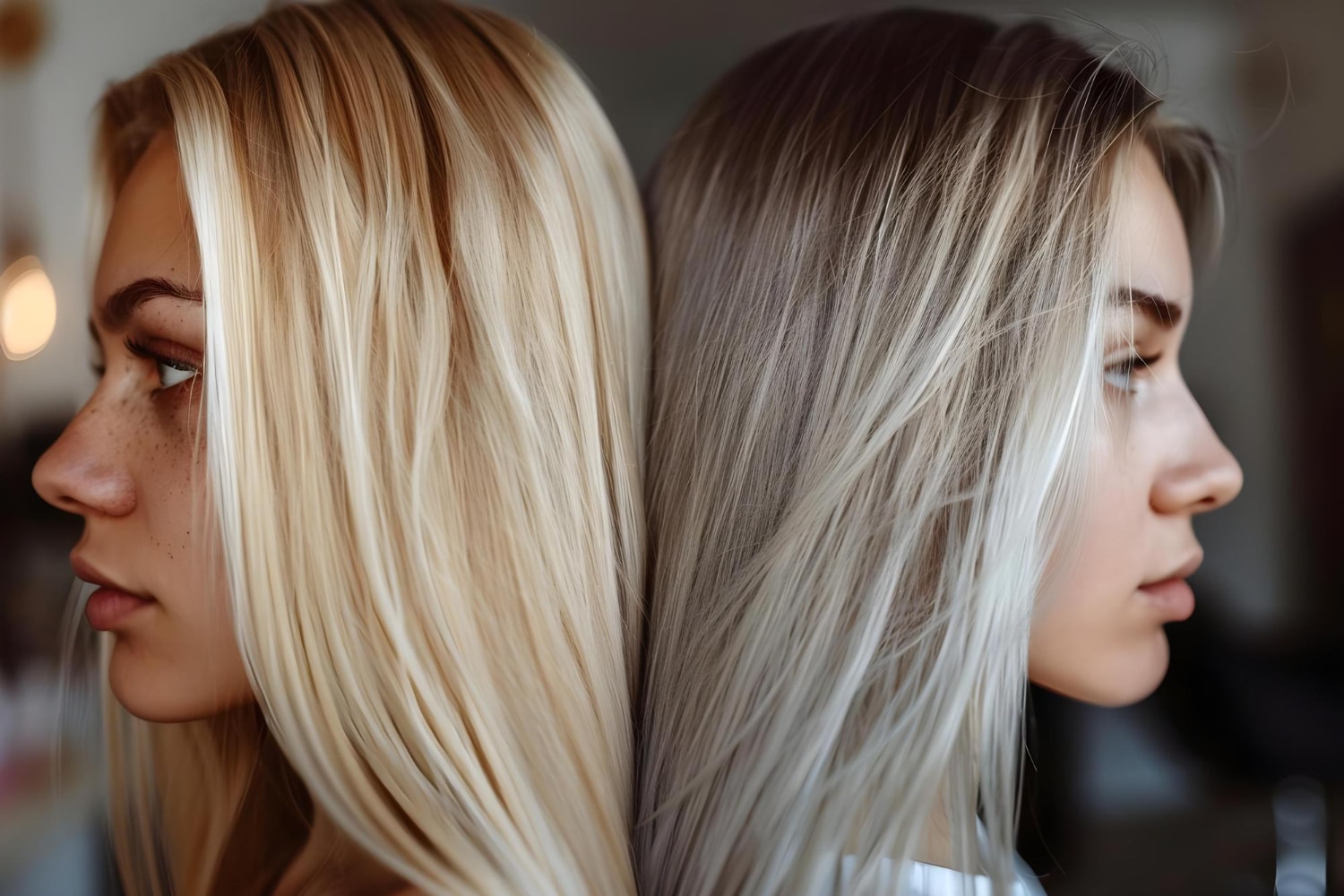
You’ve saved a dozen balayage photos and just as many full head colour photos, and you still can’t decide which one is right for your hair. That hesitation is fair: get this call wrong, and you’re either back for a touch-up sooner than you’d like, or sitting through a correction appointment to undo a colour that doesn’t suit you.
Balayage and full head colour are both excellent techniques; they just solve different problems. One prioritises low maintenance and natural dimension; the other delivers uniform, all-over coverage. With over 20 years behind the chair at our boutique salon on the Hermanus coast, this is the exact decision we walk clients through most weeks. So here’s how to work out which one suits your hair type, your lifestyle, and the look you’re actually after.
What’s the Difference Between Balayage and Full Head Colour?
What Is Balayage?
Balayage is a freehand colouring technique where colour is painted directly onto sections of hair rather than wrapped in foil. The name comes from the French for “to sweep,” and the application reflects exactly that: colour is swept from mid-length to tip in graduated intensities, with no defined starting point at the root. Each stroke is placed by eye and shaped around your hair type, face shape, and natural base, which is what makes the result look so natural.
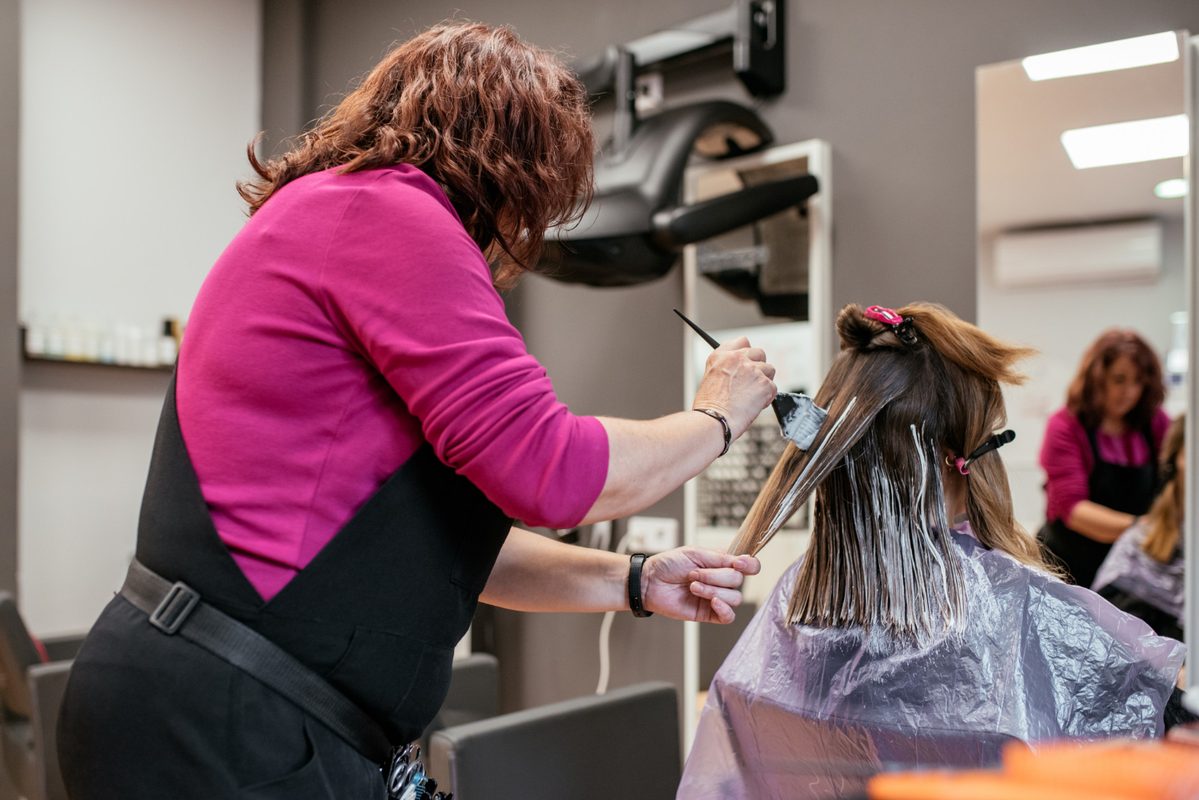
Because no foil is used, every balayage at Rivon Studio is tailored to you. We look at your natural base, hair density, and lifestyle before applying a single stroke. Every colour service starts with a proper consultation and uses professional-grade products to protect your hair’s condition from start to finish.
The finished result is sun-kissed and dimensional, closer to how hair actually lightens in the sun than to a flat, single-tone colour. It’s part of why balayage suits life on the Hermanus coast so well: in bright, open light, it picks up warmth and movement that neat foil sections rarely replicate. A toner is applied afterwards to fine-tune the warmth or coolness of the final shade.
Because the grow-out is soft with no hard line at the root, most clients come back for a refresh every 12 to 16 weeks. Which is why balayage is considered a genuinely low-maintenance colour technique. We usually recommend finishing with a nourishing hair treatment too, which locks in the colour and keeps your hair in good condition between visits.
What Is Full Head Colour?
Full head colour, also called global colour or single-process colour, saturates every strand from root to tip in one consistent shade. Unlike balayage’s selective, graduated placement, it’s applied evenly across the whole head, either by direct application or in foil sections, and a toner is sometimes used afterwards to refine the result.
Because the colour is uniform, root regrowth becomes visible within four to six weeks, showing up as a clear line between your natural base and the applied colour. That means a more regular maintenance schedule than most balayage clients need.
Full head colour is the right call when thorough grey coverage is the goal, when you’re making a significant shade change, or when you want rich, consistent colour with no variation from root to tip. If you’re moving from brunette to a deep auburn, or your roots are coming in grey and need complete, even coverage, full head colour delivers in a way balayage can’t.
Neither technique is objectively better; they’re suited to different outcomes. A good colour specialist will always talk through your hair’s history and your goals before recommending one over the other. That’s how we approach every colour consultation at Rivon Studio.
Balayage vs Full Head Colour at a Glance
| Balayage | Full Head Colour | |
| Technique | Freehand painting on selected sections | Uniform application root to tip |
| Colour application | Selective, graduated, no foil required | Full saturation, foil or direct application |
| Root regrowth visibility | Soft grow-out, no defined line | Visible root line within 4 to 6 weeks |
| Touch-up frequency | Every 12 to 16 weeks | Every 4 to 6 weeks |
| Best suited to | Natural depth, low-maintenance looks | Grey coverage, vivid or dramatic shade changes |
| Typical result | Sun-kissed, dimensional, natural-looking | Bold, uniform, high-impact colour |
The table gives you the headline differences, but the right choice comes down to more than technique. Your hair type, natural base, and how much time and budget you want to invest in colour maintenance all shape which approach gives you the best long-term result. Here’s how it breaks down by hair type.
Which Technique Suits Your Hair Type?
Fine or Thinning Hair
Balayage is generally the stronger choice for fine hair. Uniform full head colour can make fine hair look flat and one-dimensional, particularly in lighter shades, where consistent saturation removes the variation that creates the illusion of thickness. Balayage adds visual depth and movement through fine strands, making hair look fuller and more alive. Well-placed highlights work on the same principle and can be equally effective at adding dimension without weight.
Thick or Coarse Hair
Thick hair handles both techniques well, which gives you more flexibility. Full head colour delivers bold, even coverage with excellent vibrancy across a thick head of hair. Balayage creates sweeping, sun-kissed dimension that lifts the overall look without flattening the natural texture. If your hair is coarse, adding a nourishing hair treatment to your colour appointment helps smooth the cuticle and maintain vibrancy between visits. We often recommend a combination in Hermanus, where sea air and UV exposure take a toll on treated hair.
Naturally Dark Hair
Working with a naturally dark base takes careful planning. Balayage can produce a beautiful graduated result on dark hair. But lifting dark tones to the lighter shades typical of a classic sun-kissed balayage takes time and depends on your colour history. When the goal is a significant overall shade change, full head colour is often the more efficient route. During your colour consultation, your stylist will advise clearly on whether a single session or a phased approach best suits your hair and your desired outcome.
Already Coloured or Previously Highlighted Hair
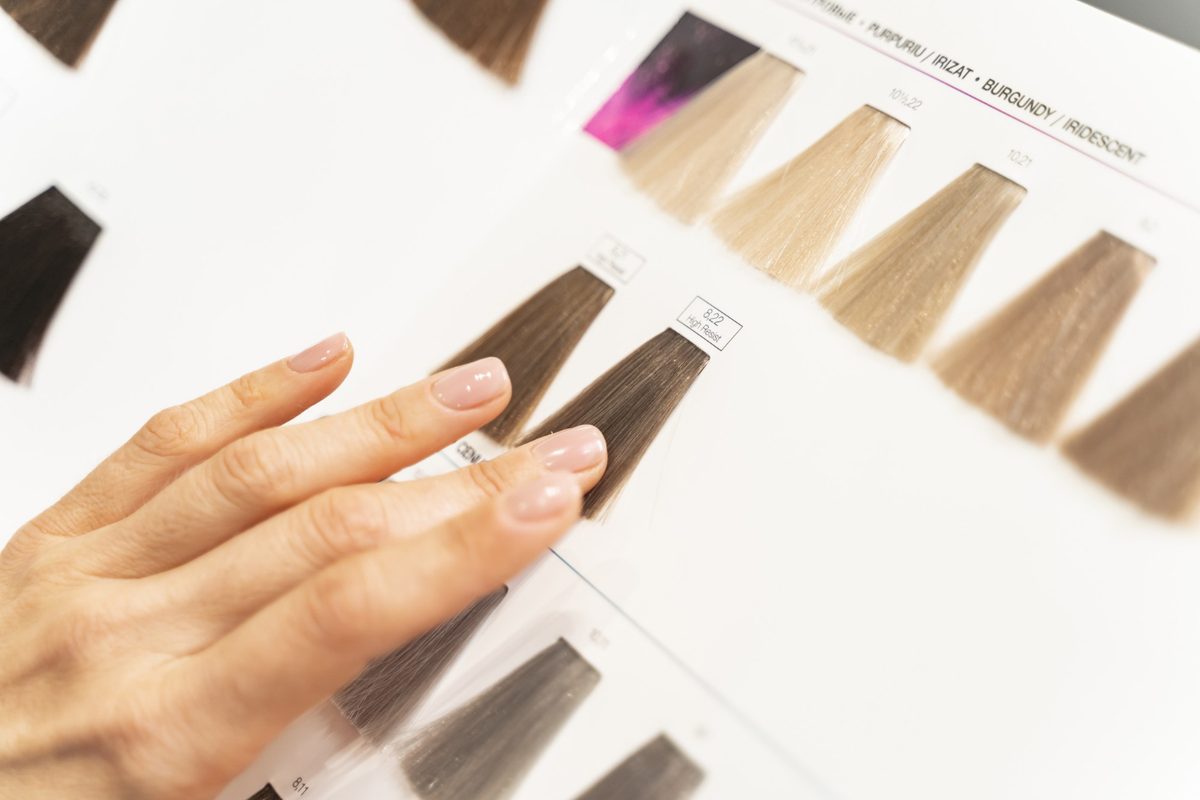
Previous colour services matter to the result. Hair that’s been highlighted or coloured before can transition to balayage beautifully, particularly if you want a softer, low-maintenance alternative to your current highlights schedule. Moving from full head colour to a grow-out-friendly balayage is entirely achievable, though it may take more than one appointment to blend cleanly depending on how much colour is already present. These are exactly the details we work through during your colour consultation, before anything is applied.
Other Things To Consider
Cost Over Time
Balayage typically costs more per session than full head colour, since the hand-painted technique takes longer and calls for more skill. But cost isn’t only about a single visit. Because full head colour needs touch-ups roughly every four to six weeks, the annual cost can add up faster than a single appointment suggests. Balayage’s longer 12-16 week stretch between appointments often balances that out over a full year of colour maintenance.
Balayage at Rivon Studio is booked through our Half Head or Full Head Highlights, Lowlights & Toner services, with the right option confirmed at your consultation. Full head colour is booked as a Colour, Cut & Blowdry, or a Colour Roots & Blowdry for maintenance visits.
Do I Need a Treatment After a Colour Service?
A professional treatment after any colour service, balayage, or full head colour helps protect the hair’s integrity, seal the cuticle, and extend colour vibrancy. We also apply a toner after most colour services to make sure the final result is exactly right. At Rivon Studio, we offer a range of professional hair treatments that can be added to your appointment, and your stylist will recommend the right option for your hair type.
Frequently Asked Questions
Is balayage more damaging to hair than full head colour?
Not inherently. Damage comes down to how much lightening is involved and how the colour is applied and cared for afterwards, not the technique itself. A skilled stylist will adjust either approach to protect your hair's condition.
Can I switch from full head colour to balayage?
Yes, and it's a common transition. Your stylist will talk you through how your existing colour affects the process, since previous colour history can change how the balayage lifts and blends.
Which hair colour suits me if I can't decide?
Book a consultation. Bring reference photos, but be open to your stylist's recommendation. It's the fastest way to get an honest answer based on your actual hair, not just a photo of someone else's.
Book Your Colour Consultation in Hermanus
When you come in for a colour consultation at Rivon Studio, we take the time to talk through what you want and what your hair can realistically handle before any colour goes on. Whether you’re set on balayage, leaning toward full head colour, or still genuinely torn, we’ll help you land on the option that actually suits your hair type, your maintenance schedule, and your budget.
We have an easy online booking system, so you can slot your consultation straight into your schedule. Take a look at our hair colour specialists page for the full range of colour services while you’re at it.
Book your colour consultation at Rivon Studio →

Related posts
Grey Coverage & Root Touch-Up Maintenance Schedule Guide

5 Blow-Dry Styles That Last Through a Hermanus Wind Day

Toner 101: Why Every Highlights Service at Rivon Studio Includes It
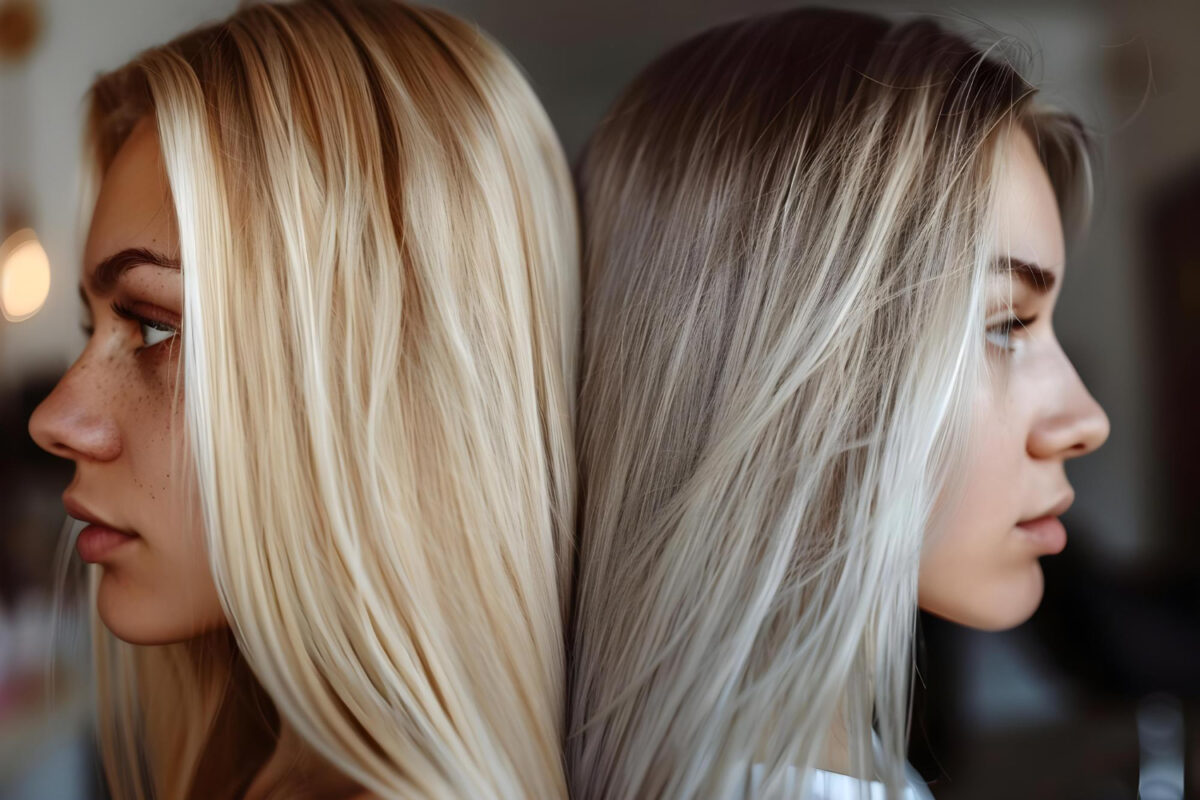
Balayage vs Full Head Colour: Which Suits Your Hair Type Best
How Much Does Hair Colouring Cost in Hermanus? 2026 Price Guide
How Often Should Men Get a Haircut? A Hermanus Hairdresser’s Guide